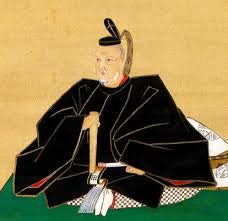
A shogun's son, his birth hiddenA shogun's son, his birth hidden
Hoshina Masayuki was born a son of the second shogun, Tokugawa Hidetada, but out of fear of the shogun's principal wife, he was raised in secret in the household of the retainer Hoshina Masamitsu. He is said not to have learned his own parentage until adulthood, and this complicated distance from the shogunal house is thought to have shaped the intense devotion to "loyalty" that would define his entire life.
230,000 koku in Aizu, and the Fifteen Precepts230,000 koku in Aizu, and the Fifteen Precepts
After a stint in Yamagata, Masayuki became lord of the 230,000-koku Aizu domain in 1643, founding the Aizu Matsudaira house. The "Fifteen Household Precepts of Aizu" he left behind would remain the domain's governing philosophy for nearly 230 years afterward. Article One opens with a striking line: loyalty to the shogun must be treasured above all else, and must never bend to the practices of other domains.
Many historians point to this very first article as the root cause of Aizu's refusal, at the end of the Edo period, to bend its line toward either the imperial court or the shogunate — a rigidity that ultimately led it into direct war with the new imperial government. A single sentence written some 220 years earlier would go on to shape the fate of the Meiji Restoration.
The other side of a "model lord"The other side of a "model lord"
It's easy to picture Masayuki as a stiff, loyalty-obsessed figure, but he was also a pioneer of social welfare. In Aizu he introduced a system of stipend rice for those over ninety and a stockpiling system to relieve the poor — remarkably progressive social policy for its time. In Edo he was involved in developing the Tamagawa aqueduct, and after the Great Meireki Fire he played a leading role in rebuilding the city.