Fukushima Prefecture — Aizuwakamatsu History Portal
A castle town of tragedy and revival, where
"what must not be done, must not be done" still lives.
The domain that fought hardest in the Boshin War, and paid the heaviest price for it: nineteen Byakkotai boys who took their own lives, a one-month siege of Tsurugajo Castle, and the brand of "enemy of the court" that followed. But Aizu's story doesn't end there. The discipline instilled at the Nisshinkan school carried the domain out of disgrace and produced figures like Yamakawa Kenjiro, laying the groundwork for Fukushima's reputation as a prefecture of education. Here is plenty of the "why" behind Aizu that the tourist brochures skip past.
Four keys to understanding Aizu
Why did they sacrifice so much for loyalty?
Aizu was not the only domain to meet a tragic end in the Boshin War. Still, its memory runs unusually deep, and there are reasons for that. This site follows four threads across its pages.
Education, mobilized by the whole domain
From the Rules of the Jū to the Nisshinkan school: a system of universal education starting at age six.
Loyalty that drew the short straw
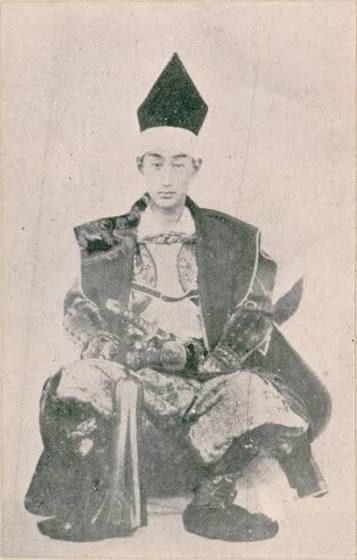
Lord Matsudaira Katamori took on the Kyoto Shugoshoku post that no one else wanted — and lived by it.
The one-month siege
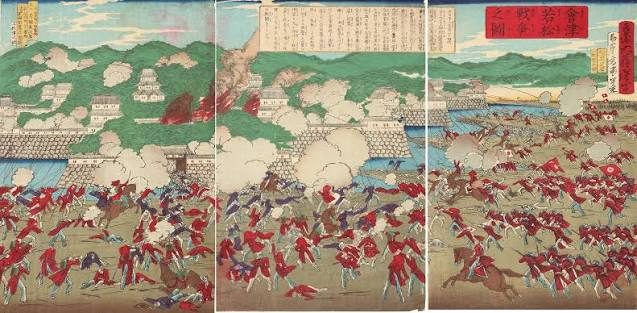
Even women and children took up arms. What the siege of Tsurugajo actually looked like, and how it's assessed tactically.
A comeback from disgrace
Branded "enemy of the court," Aizu still produced figures like Yamakawa Kenjiro who went on to shape modern Japan.
Walk the site
Eleven Rooms
Each can be read on its own. Start wherever interests you.
From Kurokawa to Wakamatsu
Gamō Ujisato's seven-story keep was, in fact, black. Even the name "Tsurugajo" comes not from white walls but from a family crest.
Read →Hoshina Masayuki and the Fifteen Precepts
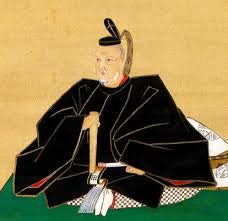
What a man who grew up hiding his birth as a shogun's half-brother left behind: the founding code of Aizu bushidō.
Read →Nisshinkan and the Rules of the Jū
Behind the tautology "what must not be done, must not be done" lies a deliberate design for early childhood education.
Read →The Byakkotai, As They Really Were
The sixteen who took their own lives were not the whole story. Was the castle really burning? And how did the one survivor go on to live?
Read →Tsurugajo: The One-Month Siege
The stand of the women's corps led by Nakano Takeko, and the real reason the castle held out as long as it did.
Read →The Red-Tiled Castle: A Single Reason
Among Japan's surviving keeps, only Tsurugajo has red roof tiles — not a design choice, but snow-country science.
Read →Niijima Yae and the Daughters of the Rebels
The "Joan of Arc of the Bakumatsu," who carried a Spencer rifle. How did Aizu's women survive what came after?
Read →Yamakawa Kenjiro: Rebel's Son to President
From destitution in exile at Tonami to the presidency of Tokyo Imperial University — a reversal of fortune forged by an Aizu man.
Read →The Crafts of Aizu: Lacquer, Sake, and a Bowl of Soup
Aizu lacquerware, local sake, kozuyu — a lineage of craft that castle-town life built, rarely found in guidebooks.
Read →150 Years with Hagi
Why did the 1988 sister-city proposal get turned down — and a closer look at how Chōshū, too, was caught in the politics of its time.
Read →Places You'll Miss If You Rush
Nanukamachi, the real distance from Mount Iimori, Ouchi-juku. How to walk Aizu beyond the obvious stops.
Read →Under the microscope
Why did the Byakkotai have to die?
"Tragic boys who took their own lives, believing the castle had fallen" — that image is half true, and half a story later generations smoothed over. Here is what the record actually shows, apart from the sentiment.
FACT CHECK — Between legend and record
Only 20 of 340 ever reached Mount Iimori.
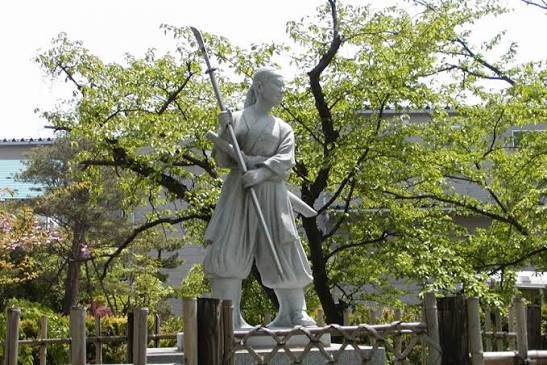
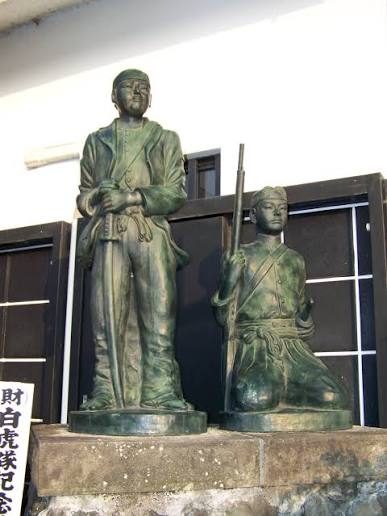
Of the Byakkotai's Second Squad, routed at the Battle of Tonoguchihara, only about 20 made it through the Tonoguchi Canal tunnel to Mount Iimori. What they saw below was black smoke from burning samurai residences in the castle town — Tsurugajo itself had not yet fallen. The accepted account is that the boys misjudged where the flames were rising and concluded, too quickly, that "the castle is finished."
Sixteen took their own lives by the sword. Counting three who died nearby afterward, nineteen graves stand in a row on Mount Iimori. The only one revived was Iinuma Sadakichi, rescued by a local woman, who went on to spend his career as an engineer for the Ministry of Communications. He kept his silence for decades, and only began speaking about that day late in life.
The Byakkotai was just one of several units organized by age, and not even the youngest — a corps of 14- to 15-year-olds existed below it. Membership was voluntary, and some are said to have falsified their birth year to join younger than they were.
The hard line that pursued Aizu as an "enemy of the court" wasn't Chōshū's decision alone — it was a political line the new Satsuma-Chōshū government needed to hold its own coalition together. Because Chōshū troops were the ones standing at the front, later generations simplified the story into "Chōshū, the villain who tormented Aizu." But not a few young Chōshū samurai who actually fought quietly supported Aizu's people afterward. Okudaira Kensuke sheltered the defeated Aizu retainer Yamakawa Kenjiro in his own home and tutored him — opening the path that eventually led to Tokyo Imperial University.
In pictures
A few views of Aizu
Some things don't come through in words alone. Each photo also links to its related page.
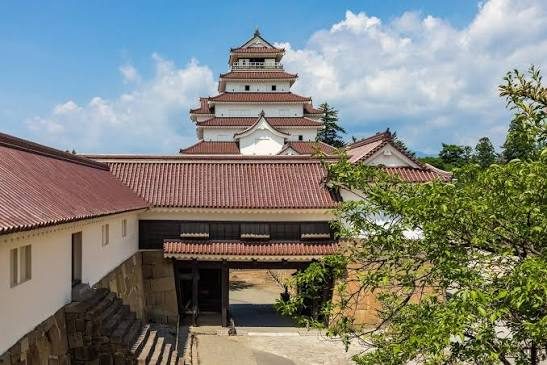
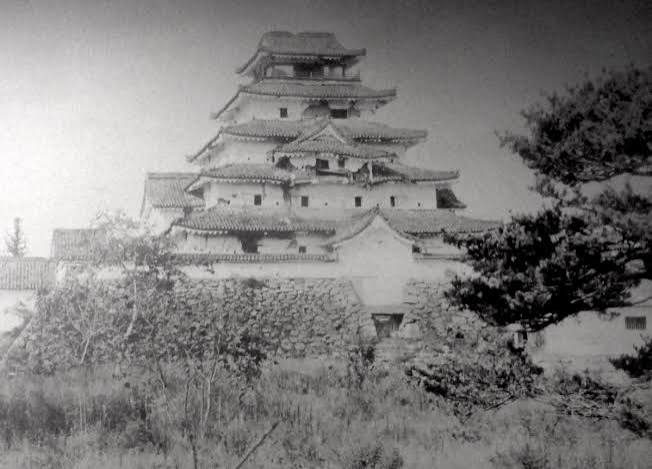
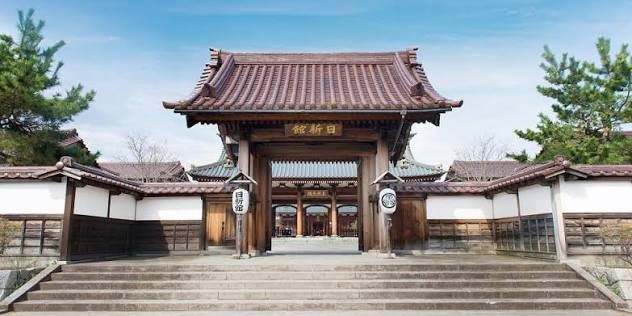
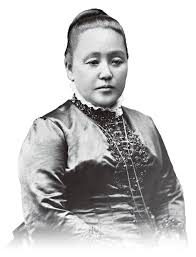
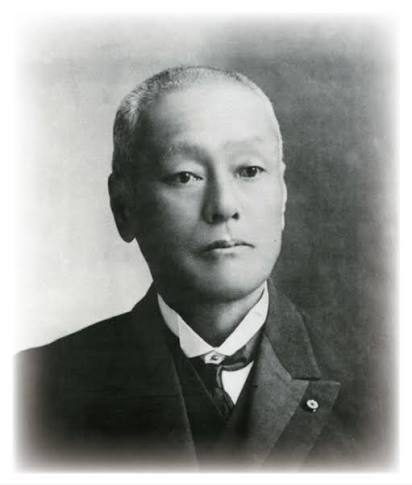
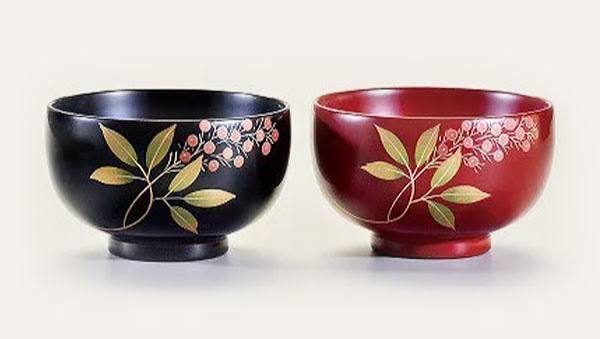
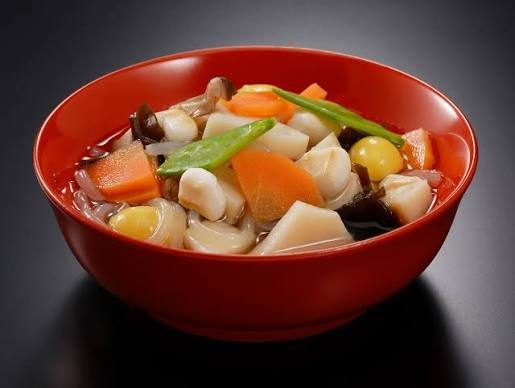
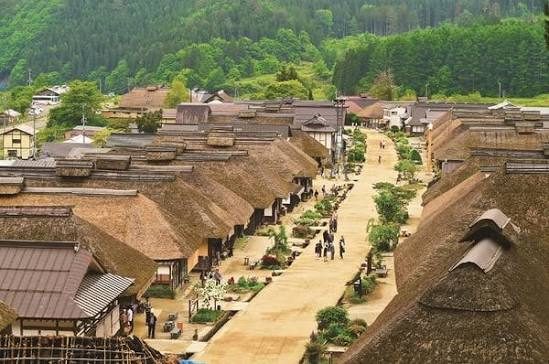
At a glance
A quick timeline of Aizu
The full stories are on each page. Here, just the outline.
Date Masamune destroys the Ashina clan
But Masamune fell out of favor with Toyotomi Hideyoshi and left Aizu within little more than a year.
Gamō Ujisato arrives; "Kurokawa" becomes "Wakamatsu"
He builds a seven-story black keep. The name "Tsurugajo" comes not from white walls but from the Gamō family's "standing crane" crest.
Hoshina Masayuki arrives; the Aizu Matsudaira line begins
Half-brother to the shogun. He leaves behind the house code beginning "Serve the shogunate with utmost loyalty and devotion."
The domain school, Nisshinkan, is founded
A school every samurai's son attends without exception. The Rules of the Jū shape discipline from early childhood.
The Boshin War and the Aizu War; the one-month siege
After the tragedy of the Byakkotai and the stand of the women's corps, Tsurugajo surrenders. Aizu is branded an enemy of the court.
Exile to Tonami
To the barren Shimokita Peninsula. Amid near-starvation, Yamakawa Kenjiro and others search for a path back through education.
Yamakawa Kenjiro becomes President of Tokyo Imperial University
The son of a branded rebel domain rises to the top of Japan's highest institution of learning — a symbol of Aizu's comeback.
Hagi proposes a sister-city partnership; Aizuwakamatsu declines
Even 120 years after the Boshin War, public sentiment would not accept it.
The mayor of Hagi attends Aizuwakamatsu's 120th anniversary — his first official visit
Decades of quiet, grassroots exchange finally produce a step toward reconciliation in an official setting.
Connect on social
#aizuwakamatsu right now
On X and Instagram, people share Aizuwakamatsu's scenery and travels under these hashtags every day. Tap through to see the latest posts on each platform.
The posts shown are search results from each platform. This site does not vouch for or edit their content.